In what can be described as a major push to remove cost-related delays in emergency care, Union Road Transport and Highways Minister Nitin Gadkari told the Rajya Sabha on Wednesday that road accident victims across the country will now be eligible for cashless medical treatment of up to Rs 1.5 lakh for the first seven days of hospitalisation.
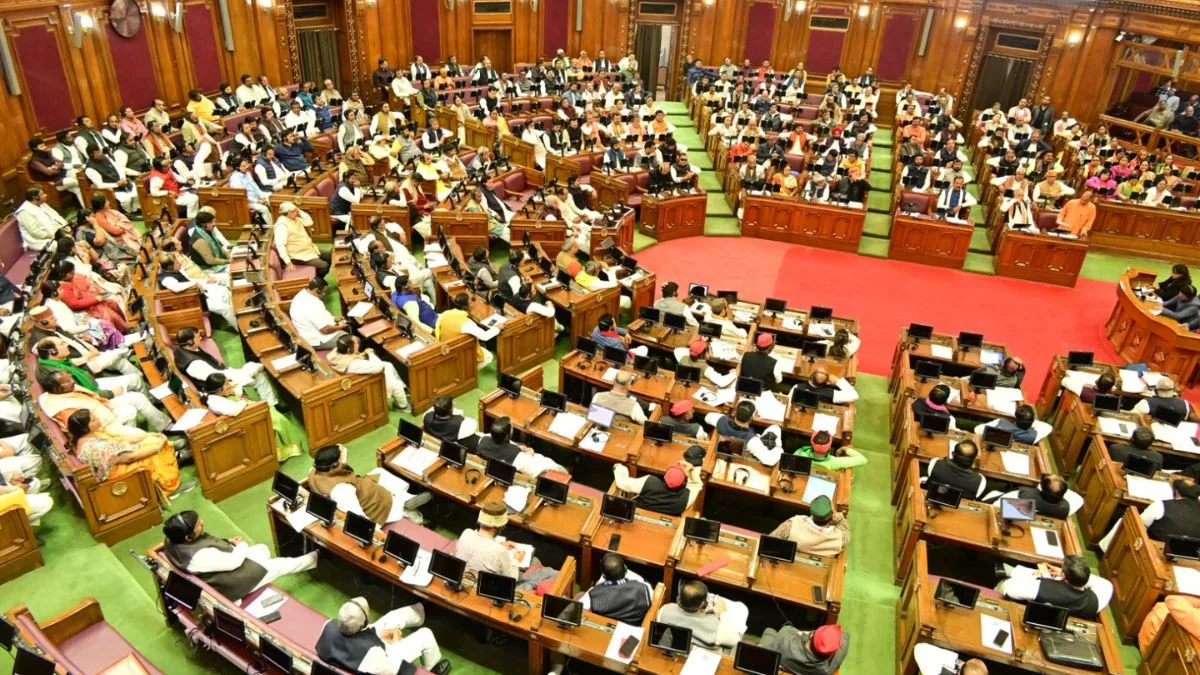
Replying to a question in the Upper House, Gadkari said the expanded scheme, earlier piloted in just a few regions, has now been rolled out nationwide with support from state governments. The Centre will facilitate payments directly to hospitals so that victims are not asked to arrange money during the crucial early phase of treatment.
Advertisement
Cashless treatment during the critical ‘golden hour’
According to the minister, the initiative is designed to ensure immediate medical attention during the “golden hour”, which is the first few hours after an accident that often determine survival. Victims will be entitled to cashless care of up to Rs 1.5 lakh per person per accident for the initial seven days of hospitalisation, eliminating upfront costs that frequently delay treatment, especially for those without insurance.
Citing a study by the Indian Medical Association (IMA), Gadkari noted that timely medical intervention alone could avoid almost 50,000 road accident deaths every year in India.
Faster ambulances, central helpline in the works
To address delays in reaching accident sites, the government is working on a model to deploy specialised ambulances capable of reaching the spot within 10 minutes, particularly in high-risk areas. Gadkari told the House that the Centre plans to integrate upgraded ambulance services with a centralised emergency helpline.
Under agreements to be signed with states, modern ambulances will be deployed with a targeted response time of as low as 10 minutes. The Centre will reimburse expenses, provided the ambulance reaches the accident location within the stipulated time.
He also pointed out that specialised ambulances will be equipped with tools required for complex rescue situations, such as vehicles falling into gorges, where paramedical staff often remain helpless due to a lack of equipment.
‘Rah-Veer’ scheme to reward good Samaritans
Reiterating the government’s focus on public participation, Gadkari referred to the ‘Rah-Veer’ scheme launched earlier in 2025. Under the initiative, citizens who rush road accident victims to hospitals will be honoured with the title ‘Rahaveer’ and a cash reward of Rs 25,000, raised from the earlier amount of Rs 5,000.
The scheme aims to encourage bystander intervention and reduce hesitation during emergencies, a factor often linked to fatalities during the golden hour.
Road safety push aligned with global targets
Describing road safety as a “very serious issue”, Gadkari reaffirmed India’s commitment to the global goal of reducing road traffic deaths and injuries by 50 per cent by 2030, in line with the Stockholm Declaration.
He said the cashless treatment initiative is part of a broader strategy that also includes stricter vehicle safety norms such as star ratings, stronger enforcement mechanisms, and holding contractors liable for the quality of the road.